
From $300 serums to your favorite perfume: Here is exactly what the experts say on how to store your beauty products.
We obsess over which products to buy and compare clinical tests but how well our beauty products work assume one thing: perfect storage conditions.
Here are the 9 items in your beauty routine that are especially vulnerable to temperature changes, moisture and light — and exactly what the experts say about protecting them.
1. Fragrance + Perfume
The Expert Take: According to Ni’Kita Wilson, a cosmetic chemist, fragrances are "made of up to 100 different tiny components—and those components can be very sensitive."
The Risk: Heat causes the top notes to evaporate and the oils to oxidize, altering the scent profile you paid for. Stephen Nilsen, senior perfumer at Givaudan, compares perfume to fresh-cut flowers: "They have a finite shelf life... Your most recently purchased scent can be expected to last about two years, but with the right care, you can get it to last longer."
2. Vitamin C (L-Ascorbic Acid)
The Expert Take: Board-Certified Dermatologist Dr. Whitney Bowe explains the fragility of L-Ascorbic Acid: "Vitamin C is an unstable molecule and it can easily break down into a different molecule that doesn't help the skin... Heat, sunlight, and improper pH can all accelerate this degradation."
The Risk: If your serum turns from clear/champagne to dark orange or brown, it has oxidized. It is no longer effective and can actually cause inflammation.
3. Retinol + Retinoids
Arguably the most important ingredient in an anti-aging routine, but they are highly sensitive to thermal stress.
The Expert Take: Dermatologists universally agree that retinoids degrade in heat. A study published in the Journal of Cosmetic Dermatology showed that retinol formulations can lose significant bio-activity when stored at elevated temperatures (like a hot humid bathroom).
The Risk: You are applying a "dead" serum. The product feels the same, but the wrinkle-fighting potency is gone.
4. Chemical Peels + Acids
Storing your AHA/BHA peels in a warm or humid environment isn't just wasteful — it’s dangerous.
The Expert Take: Dr. Patricia Wexler, a top NYC dermatologist, warns that "an acid peel that has been stored in a hot area will become dehydrated and actually more concentrated."
The Risk: "Contrary to expired logic, this can actually result in a burn." You are essentially putting a weaponized acid on your face.
5. Benzoyl Peroxide (Acne Meds)
If you rely on acne prescriptions, temperature is critical for efficacy.
The Expert Take: According to Dr. Wexler, compounds like Benzoyl Peroxide and Clindamycin "require refrigeration to remain stable."
The Risk: Heat causes oxidative compounds to break down. If your acne cream gets hot, it stops fighting bacteria, leading to breakouts that won't heal.
6. Clean + Natural Products
Many people love products without certain chemicals and preservatives, but that also makes these vulnerable to germs and bacteria.
The Expert Take: Amy Peterson, a medical aesthetician, warns that without synthetic preservatives, clean products are highly susceptible to spoilage. "Consumers should be very diligent with 'clean' skincare products . . . They can be more susceptible to mold and bacterial contamination."
The Risk: In a warm, humid bathroom, mold growth accelerates. Storing these cool and dry isn't optional; it is a safety requirement to prevent infection.
7. Nail Polish
Ever reach for a polish and find it thick, gloopy, and impossible to apply? That’s heat damage.
The Expert Take: Jin Soon Choi, celebrity manicurist and founder of Jin Soon Spa, explains: "High temperatures activate a formula's solvents, making the lacquer thick and gooey. Keeping it cool extends its shelf life and helps the polish to apply more smoothly."
The Risk: Once the solvents evaporate due to heat, the polish is ruined permanently.
8. Sunscreen (SPF)
Ironically, sunscreen is one of the most temperature sensitive products in our beauty routine.
The Expert Take: The FDA explicitly warns that sunscreen should be kept out of direct sun and excessive heat. Furthermore, Dr. Laurence Orlando, a pharmaceutical scientist, notes that if sunscreen reaches high temperatures (like in a car), "you would potentially have some degradation of your actives."
The Risk: When sunscreen "cooks," the active filters (like Avobenzone or Zinc Oxide) separate. You are left with patchy protection and a significantly higher risk of sunburn and UV damage.
9. Essential Oils
The Expert Take: According to the American College of Healthcare Sciences, unrefined oils lack preservatives and spoil quickly in heat.
The Risk: Spoilage doesn't just smell bad; it changes the chemistry. Oxidized oils can turn into skin irritants, causing "rashes, burns, and sensitization."
The Solution: Climate Control for Your Routine with a makeup bag that protects your skincare and beauty products.
You invest hundreds of dollars in these 9 ingredients because you want results. But as the experts confirm, proper storage is not a suggestion — it is a science.
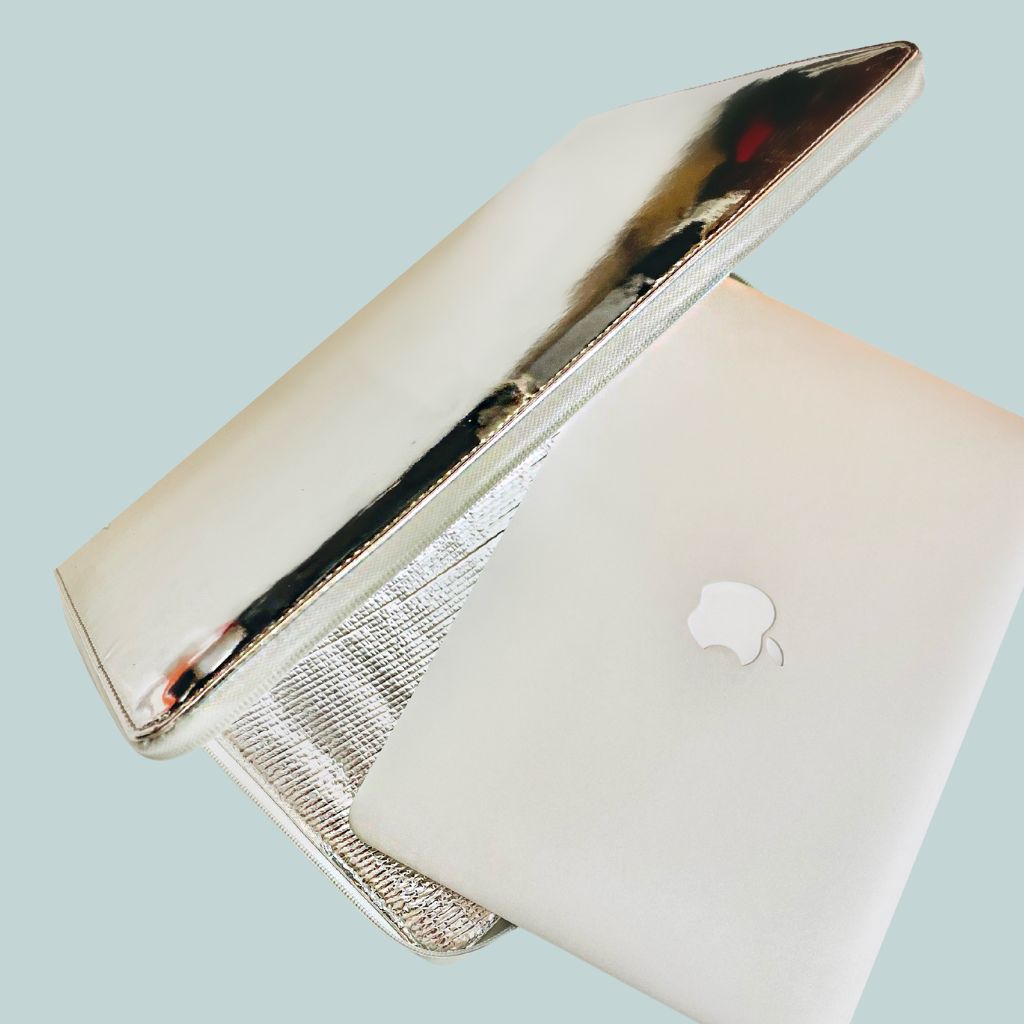
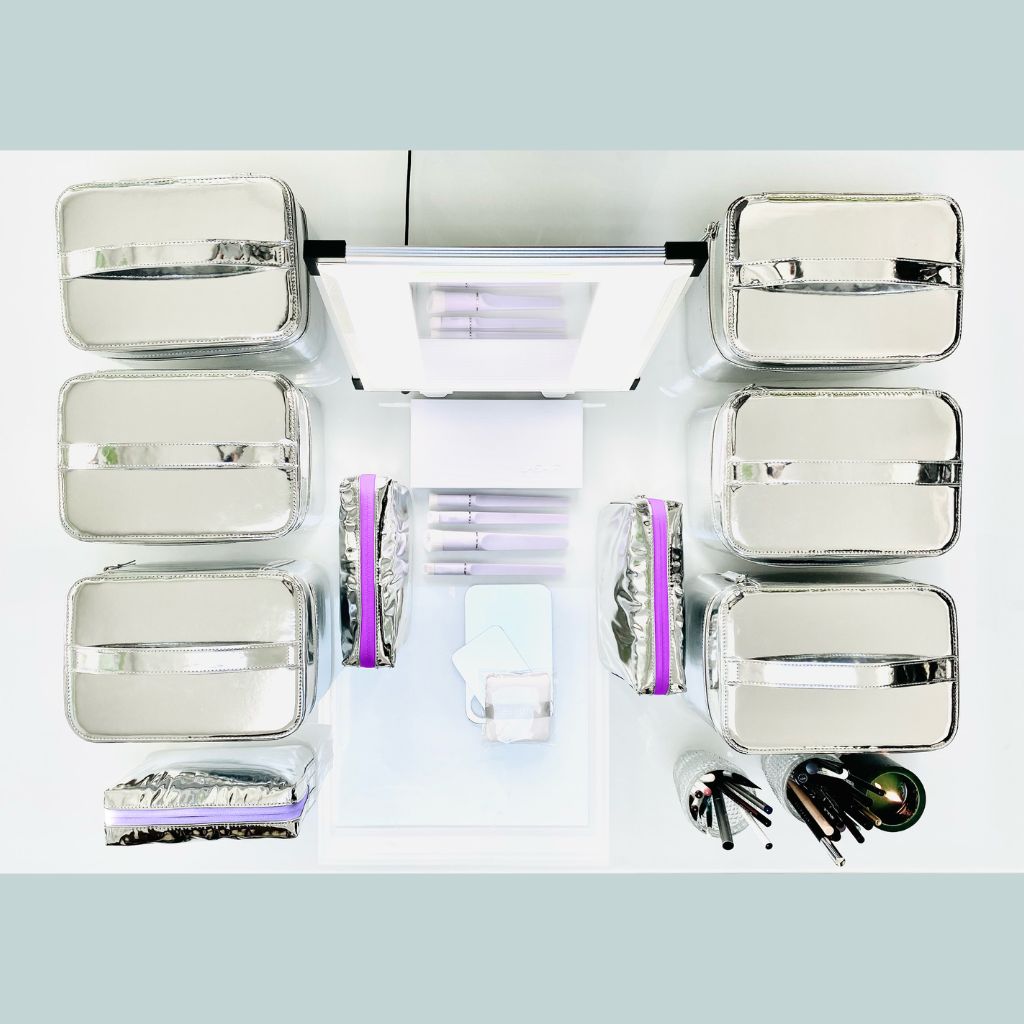
Traditional makeup bags and cosmetic cases weren’t giving your investments the protection they need, which is why we created WELLinsulated. WELLinsulated Performance Beauty Bags and Cases are intelligently designed to help protect the integrity of your skincare, makeup and other beauty investments:
Thermal Defense: High-performance insulation helps create a stable temperature buffer, protecting volatile actives (like Vitamin C and Retinol) from the heat (or cold) spikes in your bathroom, car or travel.
Humidity Shield: Made with waterproof materials - like our space grade vegan leather exterior and ultra water resistant zippers - help lock out steam and moisture, preventing mold growth.
Dark + Dry: The aluminum-lined interior helps protect photosensitive formulas (like Fragrance and Oils) from UV degradation.
Where you store your beauty products matters - don't let the environment ruin your investments. Upgrade to the only case designed to keep your products potent and working the way they’re supposed to.
SHOP THE BEAUTY INVESTOR COLLECTION
Sources:
-
Fragrance: Refinery29 (Ni’Kita Wilson); Cosmopolitan (Stephen Nilsen).
-
Vitamin C: Dr. Whitney Bowe, Exponent Beauty Clinical Review.
-
Retinol: Journal of Cosmetic Dermatology, "Stability evaluation of retinol in different commercial formulations."
-
Acids / Acne Meds: Dr. Patricia Wexler, Allure.
-
Clean Beauty: Amy Peterson, NewBeauty, "Should You be Worried About Mold in Clean Beauty?"
-
Nail Polish: Jin Soon Choi, Cosmopolitan.
-
Sunscreen: FDA.gov; Dr. Laurence Orlando via Sky News.
-
Essential Oils: American College of Healthcare Sciences (ACHS) Blog.