
The expiration date isn't the whole story
Sunscreen is regulated as an over-the-counter drug, so it comes with real stability standards. The FDA requires every sunscreen to remain stable for at least three years, and a bottle without a printed expiration date should be treated as expired three years after you bought it. (Pro tip: write the date on the bottle if one isn't printed, you'll never remember otherwise.)
But according to the experts, the main factor that determines if your sunscreen is still working properly is the environment it's been stored in. "Even if your sunscreen 'date' is current, whether it is still really effective also depends on how you've stored it," says Susan Booth, who oversees sunscreen testing at Consumer Reports. "Heat and humidity can accelerate the breakdown of sunscreen."
So the real question isn't only how old the bottle is. It's where it was stored and what it was exposed to.
What heat actually does to sunscreen
Sunscreen works because its active filters sit in an even layer and absorb or scatter UV before it reaches your skin. Heat breaks that down on two fronts. It degrades the filters themselves, and it destabilizes the formula holding them in place.
The speed is the part most people miss. Cosmetic chemist Randy Schueller, co-founder of The Beauty Brains, explained it to Allure: "The speed of chemical reactions doubles with every ten-degree-Celsius increase in temperature. That means your product can go bad twice as fast."
A separated formula doesn't spread evenly, and an uneven layer leaves gaps. You think you're covered at SPF 50, and parts of your skin are seeing a fraction of that. The bottle still looks like sunscreen. It just isn't behaving like it anymore.
Four signs your sunscreen is done
You can catch most degraded sunscreen before it ever touches your skin. Look for:
- Separation or a watery layer. If the formula has split, or there's a thin liquid sitting on top that won't blend back in, the emulsion has broken.
- A grainy or clumpy texture. Smooth lotion that's gone gritty or pilled has changed chemically.
- An off or sharper smell. A sour, chemical, or just plain different scent is a reliable tell.
- A color shift. Yellowing is common in mineral SPFs as zinc or titanium oxidizes. Chemical formulas can darken or turn cloudy.
Any one of these is reason enough to replace the bottle, even if the printed date hasn't passed. With sunscreen the stakes are higher than with most products, because the only way you find out it failed is a sunburn you didn't see coming.
Where you store SPF matters as much as how old it is
If last year's bottle is done, the honest next question is what you're going to do differently, because this year's bottle is heading into the exact same conditions. The beach bag in the sun. The car console. The gym or golf bag. Every one of those is a place sunscreen quietly breaks down.
This is the part the beauty world tends to skip. Brands sell you a great formula and say nothing about where to store it. The products you spend real money on are more fragile than the bag you throw them in, and a regular makeup bag was built for organization, not protection.
There's a less obvious problem, too. Research on sunscreen packaging has found that under heat, the UV filters can actually migrate out of the formula and into the plastic bottle itself, lowering the SPF before you ever apply it. The container isn't neutral. It's part of what's breaking your sunscreen down.
Pro tip: Store your sunscreen in a bag or case that gives it an extra layer of protection against damaging elements like direct sunlight, humidity and hot or cold temperatures.
That's the whole idea behind WELLinsulated. We built the bag that treats what's inside as the point.
The bags built for the summer ahead
A few options depending on how you carry your SPF.
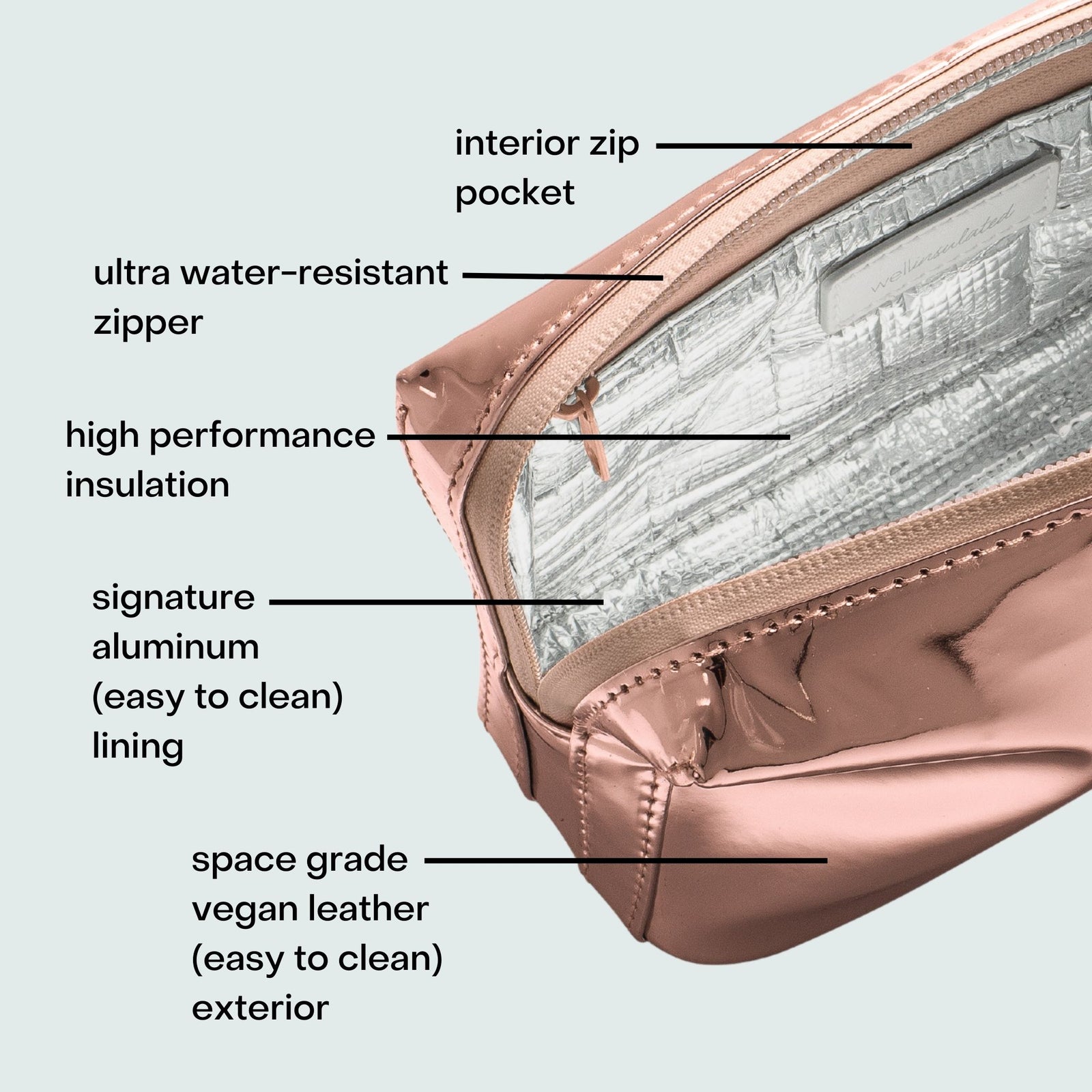
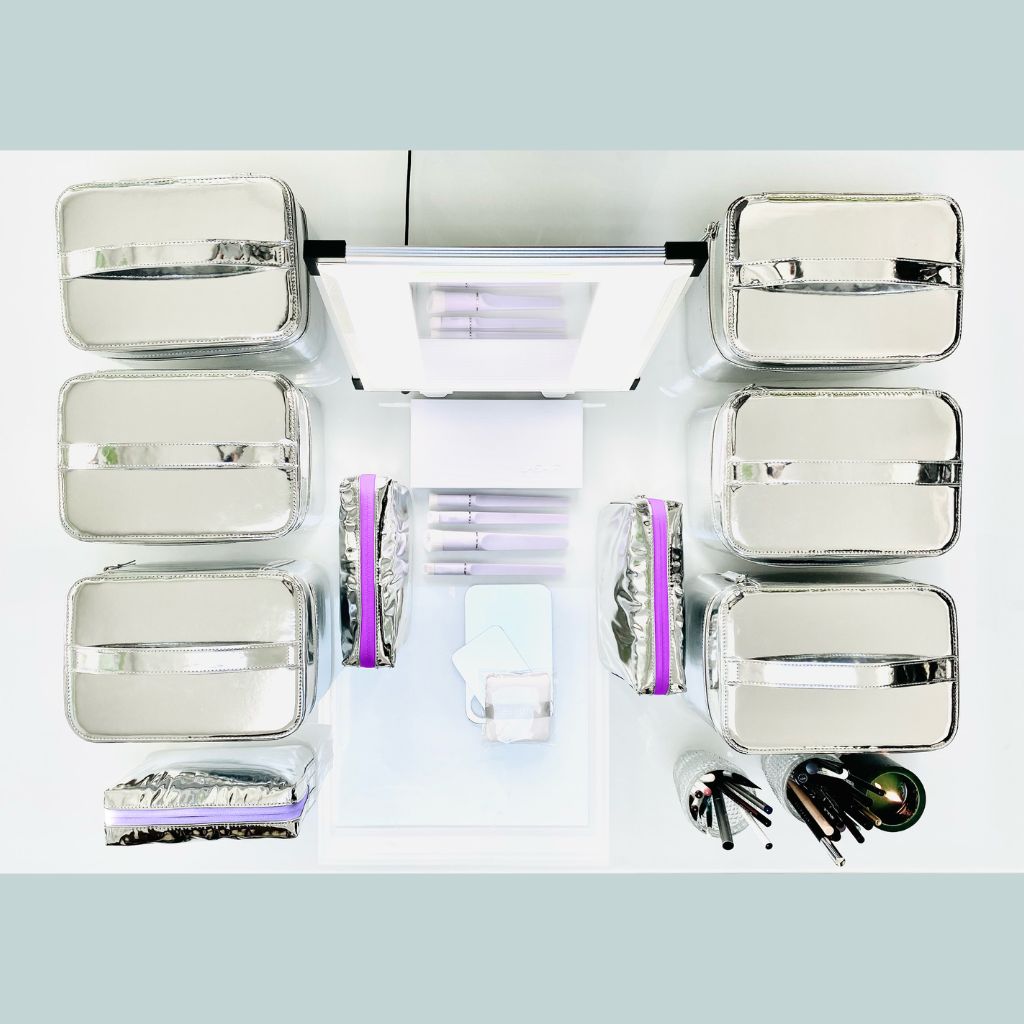
WELLinsulated Performance Beauty Bag Large
Fits any sized sunscreen bottle or spray. Interior pocket is perfectly sized for your cell phone or other small items. Easily fits inside your tote or beach bag, with the same insulation, aluminum lining, and ultra water-resistant zipper as the rest of the line.
Celebrity makeup artist Jenna Menard reaches for the same trait in her own kit: "These have become my bag for everything. They are insulated so they keep your skincare on point, keep things dry at the beach, phones from overheating, SPF staying fresh… the possibilities are endless."
Shop the Performance Beauty Bag
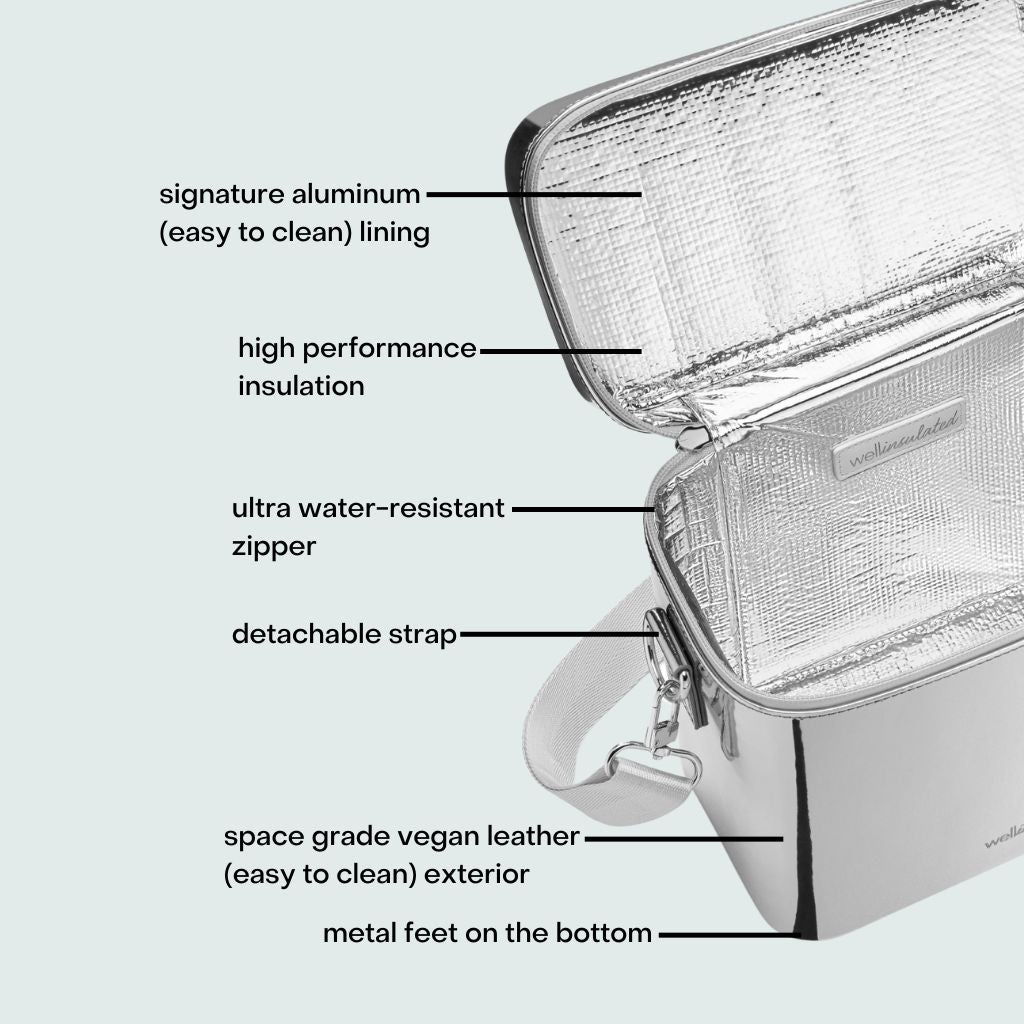
WELLinsulated Performance Beauty Case
The hard-sided flagship and a NewBeauty Best of Beauty winner. Add the detachable strap and it's hands-free for the walk from the car to the sand.
Customer Jane L. put it simply: "We are spending the summer in the Hamptons and spend most of the day outdoors. Love using this for snacks, drinks, sunscreen. So much better looking than any other cooler bag."
Shop the Performance Beauty Case
Frequently asked questions
How long is sunscreen good for once opened?
The FDA requires sunscreens to remain stable for at least three years from manufacture, and a bottle with no printed expiration date should be treated as expired three years after purchase. Opening the bottle doesn't reset that clock on its own. What shortens it is storage in heat, humidity, or direct sun. Many dermatologists suggest replacing sunscreen at the end of a summer if it lived in a beach bag, car, or gym bag.
Can sunscreen go bad in a hot car?
Yes. The FDA advises against storing sunscreen in a hot car, since heat can break down the formula. Cars routinely pass 130°F on sunny days. An insulated bag like the WELLinsulated Beauty Bag is designed to help buffer against temperature swings when your SPF can't avoid a hot environment.
How do you tell if sunscreen has gone bad?
Look for four things: separation or a watery top layer, a grainy or clumpy texture, an off or sharper smell, and a color shift (especially yellowing in mineral SPFs). Any one of them is reason to replace the bottle, even if the expiration date hasn't passed.
Can you use expired sunscreen?
You can, but you shouldn't count on the SPF. Past its date, or after a summer in a hot bag or car, the active filters may have degraded enough that an SPF 50 performs more like an SPF 15. Since the only way you find out is a burn, a fresh bottle is the safer call.
What's the best way to store sunscreen in summer?
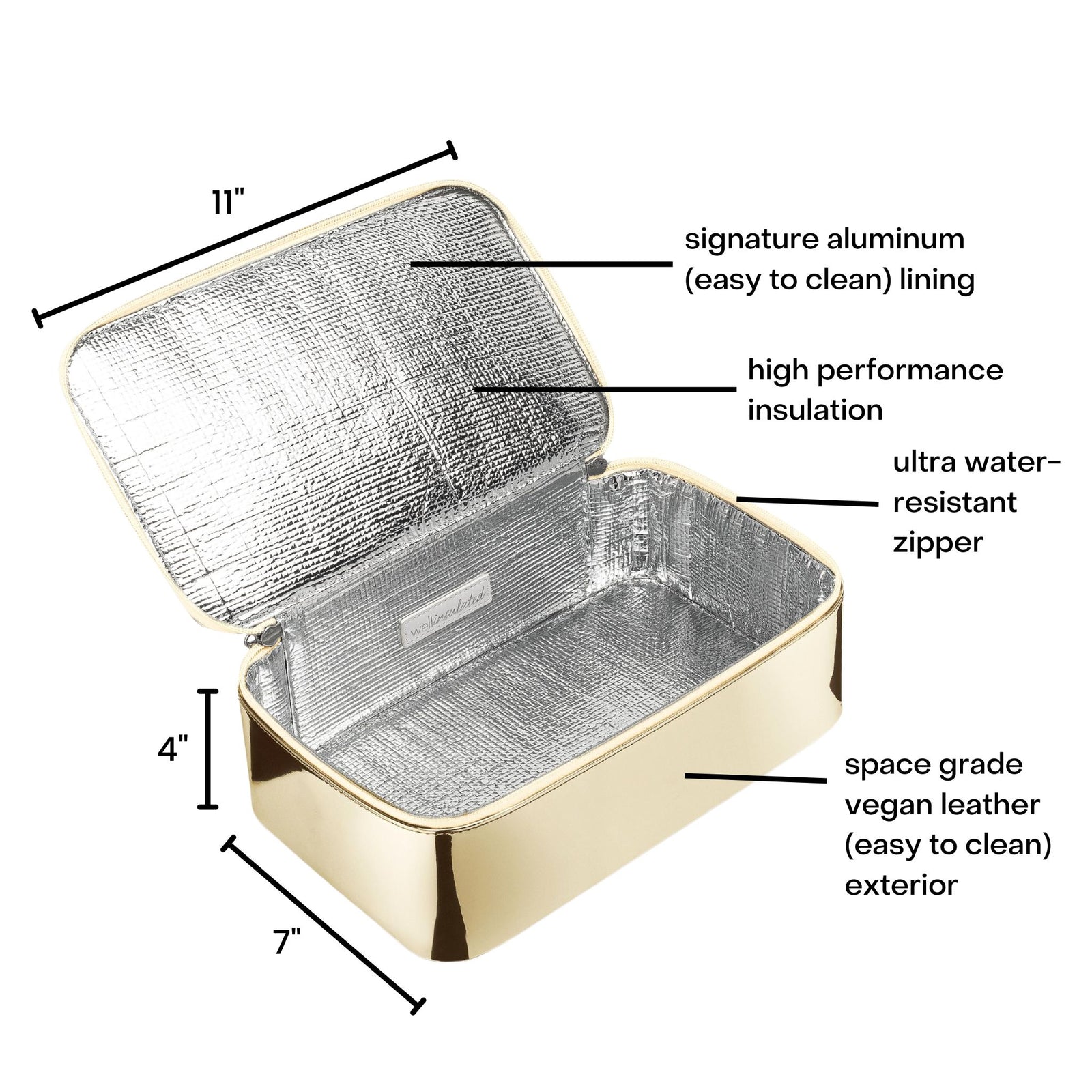
Keep it out of direct sun, out of hot cars, and out of bathroom humidity. When it has to travel, an insulated beauty bag with an aluminum lining and an ultra water-resistant zipper is designed to help shield SPF and other heat-sensitive formulas from the conditions that break them down.
Is degraded sunscreen dangerous?
The main risk is that it no longer delivers the SPF on the label, so you can burn while believing you're protected. That's the same risk that made you reach for sunscreen in the first place, which is why a degraded bottle is worth replacing rather than finishing.
Does mineral sunscreen go bad faster than chemical?
Both degrade with heat, and they fail differently. Mineral SPFs (zinc, titanium) tend to oxidize and shift color. Chemical SPFs (avobenzone, octocrylene) tend to separate and lose UV-filtering power without changing color as obviously. Storage matters for both.
Sources
- Susan Booth, Consumer Reports, on sunscreen storage and breakdown: Does Sunscreen Expire?
- Randy Schueller, The Beauty Brains, on chemical reaction speed and heat: How the Sun Damages Beauty Products and Treatments, Allure
- FDA on cosmetic storage and heat: Shelf Life and Expiration Dating of Cosmetics
- Perugini et al., on UV filters migrating into sunscreen packaging under heat: Stability Study of Sunscreens with Free and Encapsulated UV Filters